Renovation
Pocket Door or Swing Door? Read the Wall Before You Choose
Compare door clearance, privacy, hardware access and wall constraints before choosing between a pocket door and a hinged door.
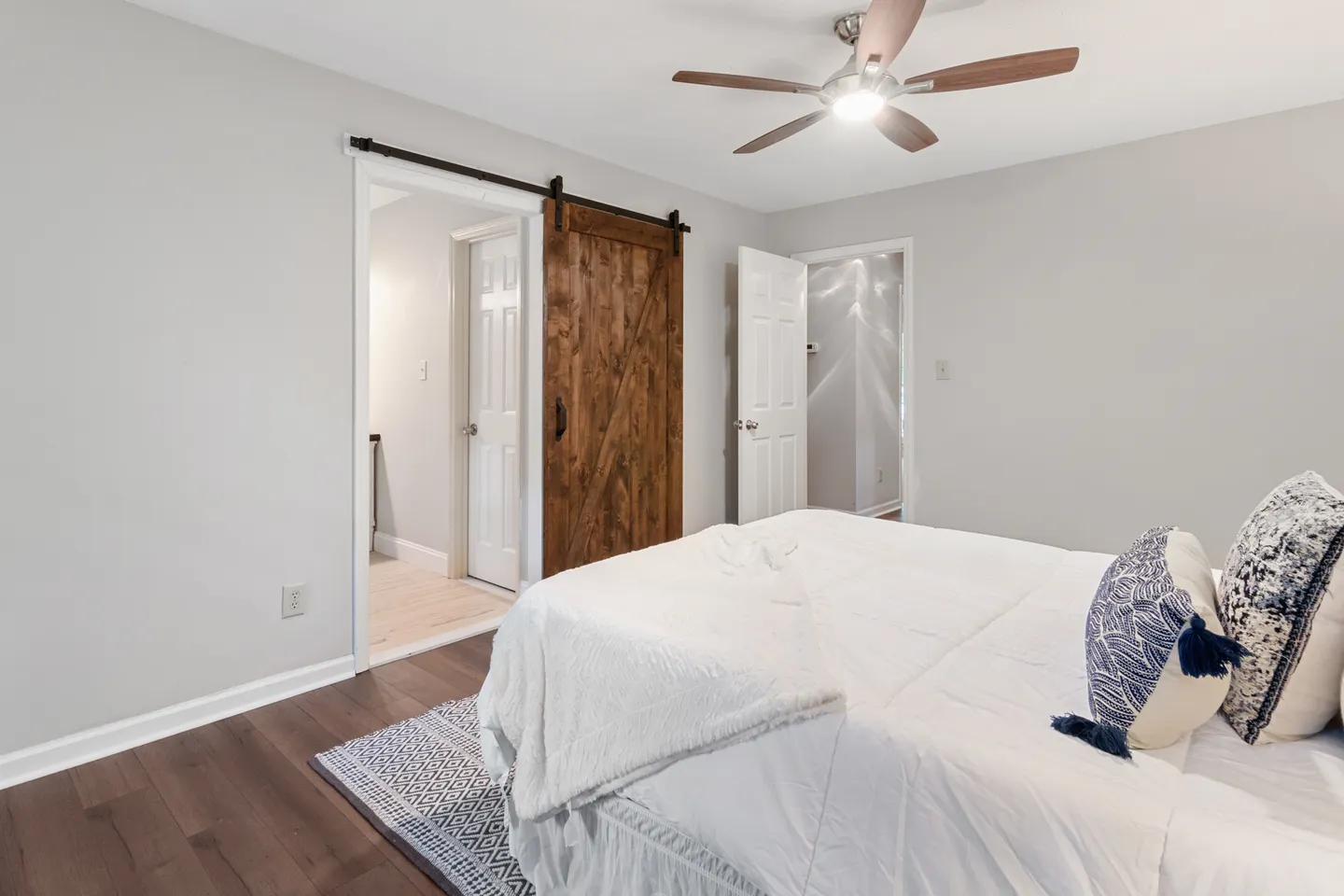
The door on a narrow bathroom can use as much floor as the basin. Move it out of the way and a previously awkward room may suddenly make sense. That is the reason to ask about a pocket door. The decision is also a small change to the wall, the hardware and the way the opening behaves. The missing door swing is only one part of the bargain.
Start by tracing the walk from the approach to the room. Include what a person might carry and where they will stand to move the door. Then establish what is inside the proposed pocket wall. A hinged door and a sliding one can both be pleasant to use when selected for the actual room. A tidy plan symbol cannot tell you when either will become an irritation.
Find out when the swing gets in the way
Open an existing door to the position it uses most often. Watch for the surfaces and objects it covers. A door leaf may block towels while open, conceal a light switch or intersect the path to the next doorway. In a bedroom, a hinged door often parks against a wall all day without much consequence. In a crowded washroom, somebody may have to stand close to the toilet simply to close it.
Record the problem in plain language. The door hits the hamper when we arrive from the hall is specific enough to test. The bathroom feels small is a broader concern. Try temporary storage in a different place and check whether a different hinge side or opening direction would address the conflict. A door swinging out may obstruct a public or shared corridor and can raise other concerns. Check the applicable rules and safe operation with the people responsible for the project.
A sheet of cardboard stood edge upright can make the swing visible as you assess a proposed doorway. Tape the extent of the leaf on the drawing, including how far the handle projects. Follow the path with full hands at different times of day. If the existing door just needs to park farther open, suitable hinges and correct clearances may outperform a much larger intervention. If the door would always cover an access point needed by a resident, work on the opening itself.
Make a list of everything the wall is doing
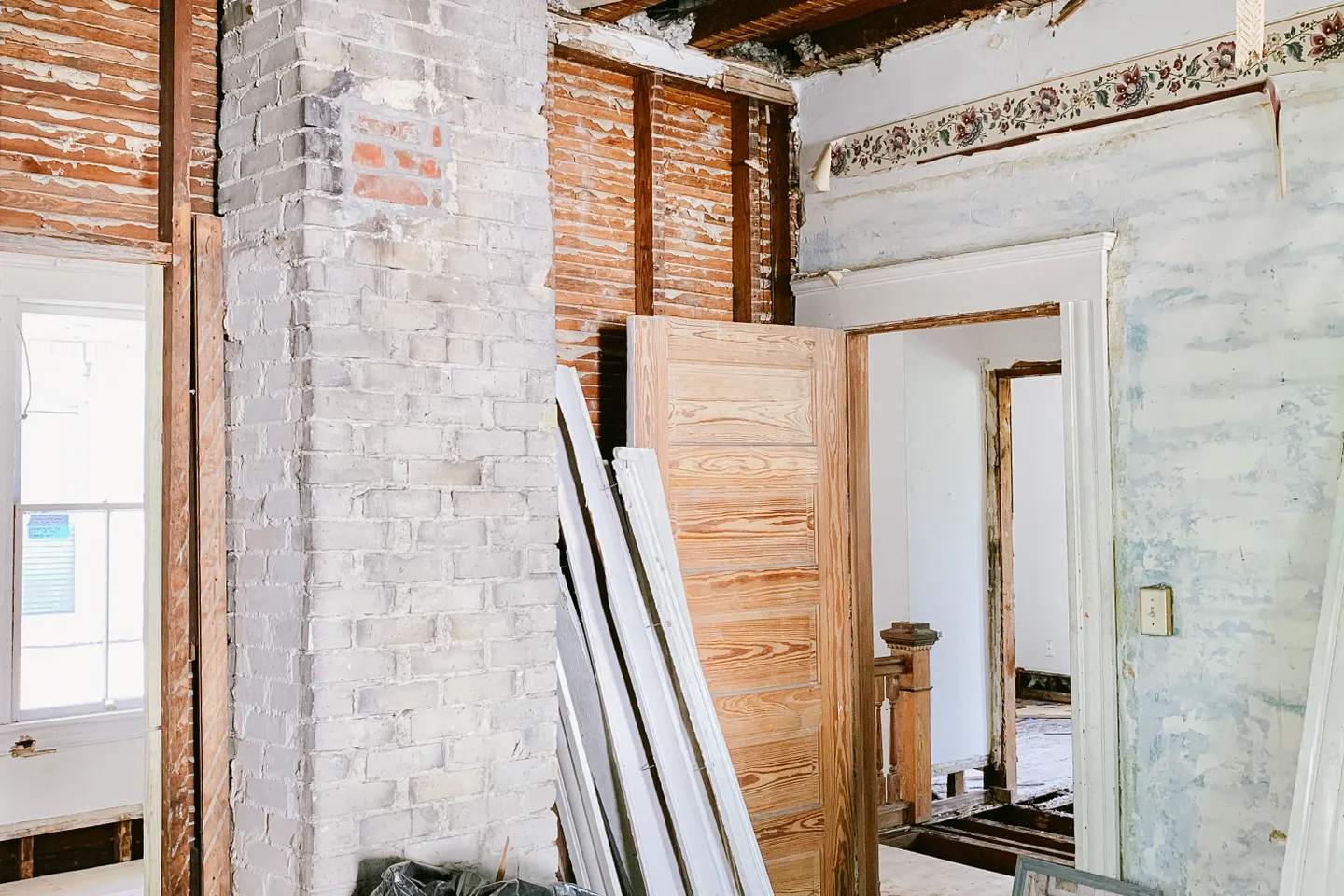
A single sliding leaf needs an opening and a clear cavity beside it long enough for the leaf. With a standard pocket setup, the wall in that area has a specially built frame. That volume may already hold pipes, wiring, wall boxes, ventilation or structural members. A floor plan may tell you where the doorway is located, but it rarely records each service that passes through a wall.
Have a qualified contractor assess the wall and the plan, with engineering or other specialist input where required. Establish what supports loads, what is shared with another space and where services run before demolition or purchase of hardware. A wall that looks light from one side may include a pipe serving a room above. Even where relocating a switch is feasible, consider where somebody reaches for it after the new opening is formed.
Decide if the wall must carry any other item. A coat hook, shelf, grab rail or wall-hung cabinet needs suitable backing and hardware. A fastener projecting into a pocket can damage a moving leaf, and the framing inside a system differs from a conventional wall. Get the desired locations and loads into the design early. The contractor can say whether the system permits the attachment or a different wall location is needed.
Use the hardware drawing to compare clear openings
Find the full installation instructions for the exact frame, track and door. Check the allowed material and weight of the leaf, the rough opening, the finished wall thickness and how the trim is fitted. Some systems allow adjustment from the opening. Others rely on components that are harder to access after the finishes go on. The hardware rating belongs beside the specification for the actual leaf and any mirrors or other attached items.
A relevant dimension on a plan is the clear passage once trim and handles are fitted. A sliding door may leave part of the leaf extending into view so a person can grasp it. A hinged leaf may occupy some of the opening even at its maximum usable angle. Measure the proposed opening in operation and compare it with the users and furniture that need to pass through it. Discuss accessibility, fire protection and egress requirements that apply to this specific address with the design team.
Try a mounted hardware sample if you can. Reach for the edge pull at a natural height from both approaches. A tiny recessed pull that works well for a single finger in a showroom may be difficult with reduced dexterity or damp hands. Test the handle with the door nearly closed as well as open. This simple check may reveal why a lever handle on a hinged door remains appropriate in some rooms.
Decide which kinds of privacy matter
Closing a pocket door provides visual separation. Sound travels through gaps as well as the door leaf, so the construction at the bottom, the jambs and the head deserves attention when sound matters. Under ordinary conditions, a close-fitting hinged door with suitable seals can be a better starting point for an office, bathroom or sleeping room. Each complete assembly needs to be assessed for the result you require.
Consider a formal dining room opening where the idea is to close off the cooking area during a meal. A pocket door may preserve a broad transition for the hours when both rooms are open. Much of its time will be spent hidden, which makes that advantage useful. Now consider a room used for confidential calls that shares a corridor with a kitchen. A quieter closure, positive latch and suitable acoustics are likely to matter more than the parked leaf. What an interior door needs to do changes by the hour and by the room.
Privacy hardware on bedrooms and bathrooms should be practical to use from both sides, with suitable emergency operation where required. Ask the supplier and installer to show the complete set in a working position. Consider how you will know whether the latch is engaged without trying the door from outside. Recognize that a larger architectural pull can reduce how far a pocket door can open and return to the clearance measurements after choosing it.
Compare what a future repair actually involves
A loose exposed hinge is relatively easy to see. A pocket door track is harder to inspect once the trim and ceiling details cover it. Ask how the rollers and guides can be adjusted or replaced, whether a service strip is removable and how the leaf would be taken out if it were damaged. Obtain those instructions and keep them with the rest of the project paperwork. It is useful to understand the work before selecting a delicate paint or an expensive piece of trim over the access point.
Ask the installer to show the door operating before any part that needs an inspection is covered. Later, in the finished opening, test its travel more than once. Listen for scraping or knocking. Try the lock without pushing sideways on the leaf. Ask what should be done if the closing position shifts instead of assuming a nominally soft-close mechanism will conceal misalignment. A fixed jamb and clear installation instructions make it easier to distinguish normal adjustment from a fault.
A surface-mounted sliding door avoids building a pocket in some locations. It needs an exposed length of wall to park and may use projecting hardware. Think about how much of the wall this prevents from being furnished and whether gaps will provide the desired privacy. When the wall is full of switches or a radiator, a surface-mounted design can create the same clash as a pocket. A compact hinged door is worth comparing on the same drawing.
Include the finished casing width in the joinery sketch. On a small wall, the decorative trim can still compete with a nearby cabinet even after the leaf stops swinging over it. Ask for an elevation showing the relationship among the cabinet, trim and switchplate. A few centimeters visible there can be the difference between a neat junction and a patch of wall that cannot be painted without removing something.
Choose with the adjacent rooms in view
Imagine a powder room accessible from a hall that contains two other doors. A pocket door may rescue space at the small basin if the adjacent wall is suitable and the finished privacy performance fits the home. Imagine the same plan when the pocket wall carries plumbing to the floor above. There may be a better opening direction or a less intrusive relocation of the basin. The benefit of the door change should cover everything that has to move with it.
For a room that stays open most of the week, the balance can favor having the leaf disappear. A hallway wardrobe that opens for a few minutes can often use a small hinged leaf, provided its swing feels reasonable. Make the comparison with a sketch of the entire approach, a rough list of work and the hardware instructions attached. Once you can describe where a person stands, what the wall needs to do and how the door gets fixed, the choice has enough detail to survive the real renovation.