Materials
What to Do With an Upholstery Sample Before You Order
Test an upholstery fabric in your own light and compare weave, care instructions and appearance as a piece bends and gets used.
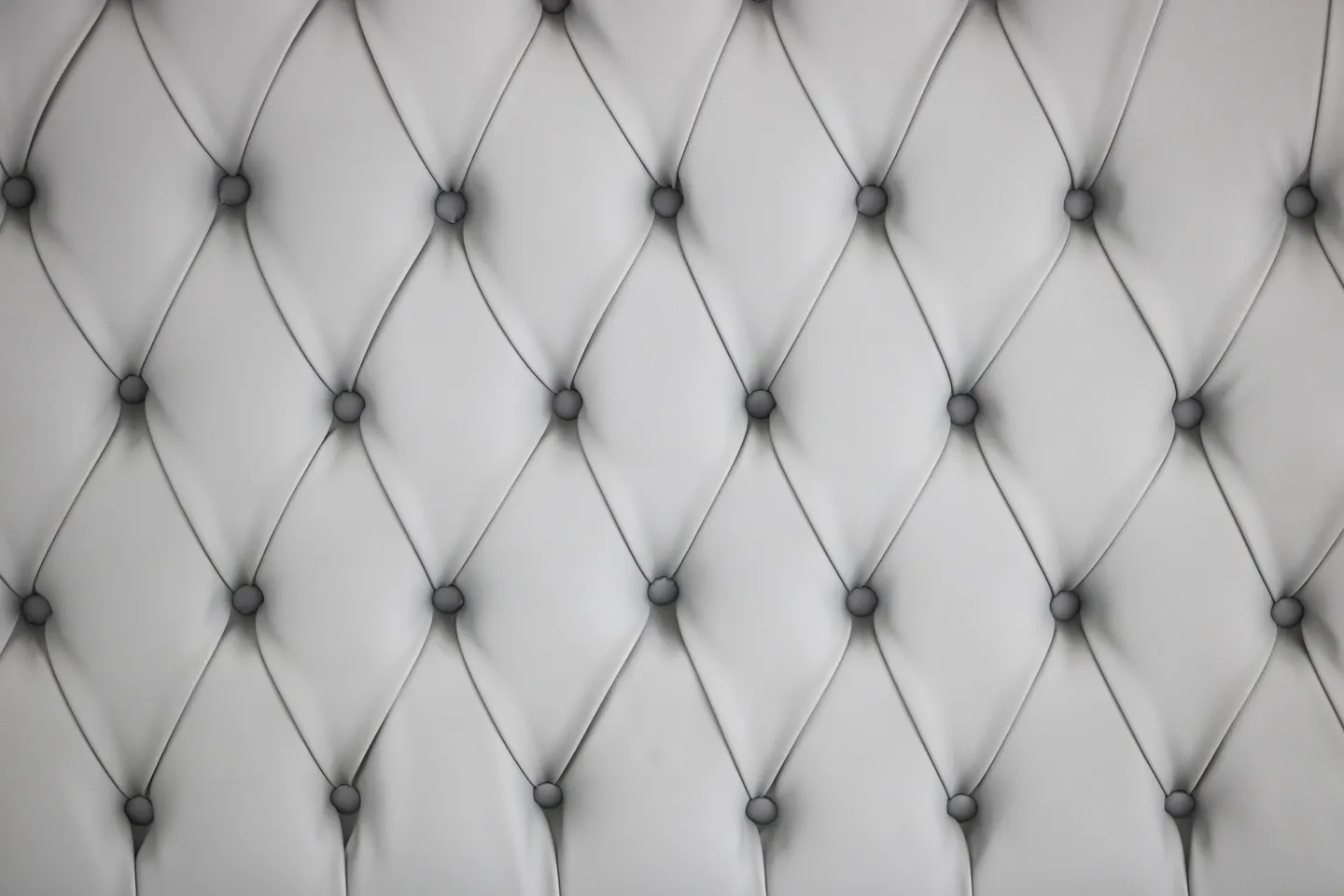
A fabric sample has two lives. In a shop it sits flat beneath steady light, next to other fabrics that encourage you to compare colors. In a home it stretches around a seat, leans into a shadow and collects whatever a person brings in on their clothes. Many expensive upholstery mistakes happen in the space between those two situations. A sample can help you make a careful decision if it spends time where the piece will actually be, under the light and alongside the finishes it will actually meet.
Ask for the largest sample you can borrow or buy. Keep the product label with it, including the colorway, fabric name and any finish or backing. A similar-looking sample from a different fabric family can have different cleaning instructions or behave differently across a curve. If you are comparing two textiles that look related, add a small removable label to the back. It is easier to make a fair comparison when you can take both into the same room and tell them apart.
Put the sample in the room instead of on a desk
Lay the piece near the surface it will cover and step back far enough to see the neighboring floor and wall. Press it around a rounded cushion using a loose clip or hold it in your hand if the proposed piece has padded arms. The same cloth can look lighter along a stretch and darker at a fold. If the new fabric will sit across from a window, see what it looks like from every seat that faces it. A greenish shadow may matter next to a warm floor and disappear on the sunny side of the room.
Take the sample through ordinary lighting changes. Look in indirect daylight, with direct daylight when it occurs, and with the lamps you use in the evening. The apparent color depends on both the color of the light and the adjacent surfaces. A blue rug can make a neutral fabric look warmer. A red brick wall can make some nearby colors appear relatively cool. Compare two promising samples against the same portions of the space and move one at a time so the result is legible. Avoid picking a tone based only on a photo whose color the phone has adjusted.
The sample is also a scale test. A heathered textile can read nearly plain once you stand several paces away. A stripe can become quite strong across three cushions even when the sample seems quiet. If a pattern is important, ask the supplier for the size of the full repeat and photos of larger finished pieces. Inspect how the pattern meets at a corner. Matching a design across cushions and arms can increase the amount of material required and may be impossible at some seams on a curved frame.
Handle the sample the way someone handles a seat
Run your fingers gently across the sample in different directions. With a pile fabric, the nap can move and catch light in bands. This can be attractive. It also means the seat someone uses every evening may look different from the arm that hardly gets touched. A textured, open weave can feel comfortable against bare hands and catch on certain loops or fasteners. A smooth tightly woven cloth may make shed hair easier to see against a flat background, even if the hair is relatively simple to remove. Compare surface and color together in your own conditions.
Ask about the manufacturer's intended use. A cloth with a soft hand may require backing or construction appropriate to an upholstered seat. The upholsterer can check if the fabric is stable enough for a tailored seam or for repeated stretching over foam. Show them the frame if you are reupholstering, including any edges where the old fabric wore first. Seat cushions often tolerate different fabric behavior from an upright back. You may want the same appearance in both places but a specialist can tell you where reinforcement or a sturdier textile would help.
If the supplier allows, leave a sample on a clean seat for a few days to observe its behavior under usual light. Protect the sample from stains you cannot remove and follow the seller's rules for returns. You can look for clues about creasing and directional shading without subjecting it to harsh abrasion. No informal test forecasts years of use from a fabric square. The goal is to find out whether the kind of change you can observe now is something you are comfortable seeing more often.
Keep durability data in context
Ask what a listed abrasion figure measures. The Association for Contract Textiles explains in its voluntary abrasion guidance why a laboratory result can help specify fabric for a use while giving limited evidence about the life of a particular finished piece. Wyzenbeek and Martindale are different methods. An impressive number from one method should not be directly ranked against a result from the other, and a higher result does not account for all the ways a sofa changes with use.
Notice the particular jobs the fabric needs to do. A chair near a sunny window faces different demands from a dining bench people slide across with denim or work clothes. A pet can pull a loop without rubbing through a fabric. A contrast dye transfer can cause a visible mark even if the threads themselves are sound. A family's main concerns may include pilling, fading, seam movement and cleanability. Ask what actual test evidence or product instructions relate to the problem you face, including colorfastness to light where relevant.
For a painted wood frame with an upholstered seat, the wear points can sit where the fabric rounds the frame edge. An upholsterer can tell you if the base underneath needs repair or additional padding. A replacement textile should not have to disguise a split board or a sharp edge. Durable furnishing is the combination of the material, the condition of the frame and the way the seat is assembled.
Compare care instructions and your real cleanup tools
Look for the written instructions for the selected fabric and piece. A general cleaning description for removable covers may not apply to every textile in a collection. Verify whether it can be blotted with water, calls for a compatible cleaning product, or requires a professional method. A cushion may have a zipper for manufacturing or repair, so check what the manufacturer says about laundering any removable part. Do not try solvents on a borrowed swatch without permission.
Think of the last three messes in the room. Dry lint requires a different approach from a little spill or something sticky. In a dining area, check how the construction lets crumbs work down beside a cushion and whether a vacuum tool can reach them. In a living room, see whether the fabric looks different when you wipe in one direction. If the sample can be used for a care test, follow the instructions and compare it once it is fully dry. A damp cloth can look darker during the test and create an impression of a mark that will fade as it dries.
Ask whether the entire piece will use one dye lot and whether extra fabric is available for a future repair. Some natural or mixed-color materials include visible variation. Get the acceptable range from the supplier and see a representative piece. Store any remnant as specified by the maker. A swatch left in a sunny drawer gap for years may no longer reflect the material on a shaded chair. Saving ordering information still helps a repairer see what was originally used.
Make a decision for the actual piece
Suppose you are choosing between a warm ivory boucle for a reading chair and a flat sage weave with a slightly tighter texture. The boucle feels pleasant and relates closely to a white plaster wall. The chair sits in side light beside a person who wears dark wool and drinks coffee there. The sage sample blends into less of that lint, and its care sheet leaves a spot-cleaning option you are comfortable using. You might still prefer the texture of the ivory for a chair farther from daily coffee. Bring the requirements for this chair into the choice.
On a pair of dining seats, the dark option might show dusty crumbs and the pale one might show the color of jeans. Check how the upholstery color changes the feel of the whole table. Where the wooden legs and tabletop are dark, a lighter seat can make the dining group easy to distinguish against the floor. A mixed-color fabric could offer texture without a strong stripe that calls for careful pattern alignment. Use your best samples in a real setting for a meal, safely placed where they will not slip or stain.
Keep the most useful comparisons in a short note with the chosen swatch. Record the care document, living-room light and any constraints a future upholsterer should see. The sample has done its job when you can picture the finished surface both on a crisp delivery day and during the way you actually use that piece of furniture.
With custom furniture, verify that the emailed quote lists the exact fabric description and color code. If the maker plans contrasting piping or a different fabric on the rear, compare those samples in the room too.