Decorating
A Living Room That Welcomes Five People Without a Reset
Arrange seating, landing spots and light for a visit while leaving the everyday uses of the room intact.
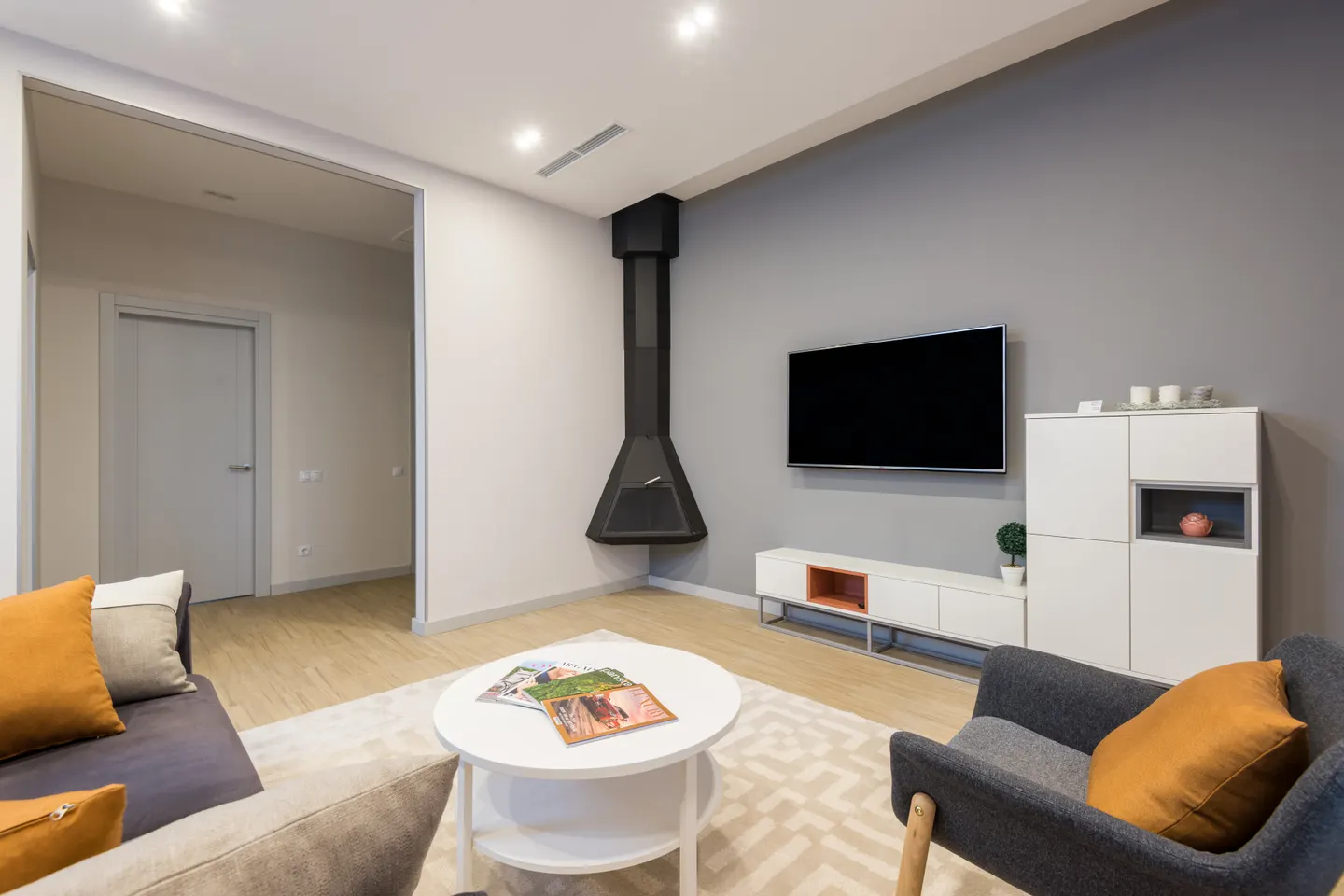
Most living rooms are arranged for the people who use them on a Tuesday. One sofa looks toward a television. A reading chair turns to the window. The coffee table carries a small collection of objects that move from place to place during the day. Then several visitors arrive, and the room reveals a second layout no one has planned. A folding chair turns its back to the doorway. Three people share one reachable surface for drinks. Someone sits in a bright window with nowhere convenient to look. A good guest-ready room works because it can make a few simple adjustments, then return to Tuesday.
Begin with a visit you can picture. Five people at the end of dinner create a different arrangement from a neighbor stopping to share a cup of coffee. Pick a number realistic for the room and two time periods when you often have people over. Walk through the room at those times. Watch sun, glare, which doors are open and where you place coats or bags. Give the arrangement somewhere for an extra person to sit without moving everything that made the room comfortable earlier in the day.
Put a second center in a room that normally faces one way
The television can stay the center of ordinary use. For conversation, turn one or two chairs enough to offer a view of the other seats. Place them where the person sitting down naturally looks toward the group rather than at a dark screen. A movable armchair may turn easily if there is room around its legs and the floor is protected. In a small space, an ottoman or well-supported stool can add a flexible place, though a person who needs an upright back or arms should have their choice of the more supportive seating.
Use real sitting distances during the test. A large central table may look sociable in a plan while spacing chairs too far apart for quiet conversation. A pair of smaller tables can leave a usable gap or allow a chair to turn inward. See whether seats are a comfortable distance for the people who will use them and whether anyone needs to look at a strong light or twist their head to speak. A deep lounge chair can sit at a slight angle so a low seat still connects with an upright dining chair brought into the room.
Keep at least one easy path through the group. Walk from the entrance to the kitchen or toilet with a tray in both hands. Look at where a knee projects beyond a chair. A visitor should have a clear way to leave a seat with others still sitting. A route along one wall can be more reliable than a space everyone has to cross through the middle. Keep that path clear of cords and uneven rugs. Mark the preferred positions of movable seats mentally against a rug edge or a floorboard so it is quick to set them up again.
Give every person a place to set something down
Use a cup and coaster to test the reach from each seat. The far corner of the coffee table may technically be available, but if someone needs to lean forward through the group to use it, set a smaller table on that side. A small occasional table needs a stable base and a top large enough for a cup and the hand that places it. Test its balance with the usual glassware. An upholstered ottoman can only serve as a cup surface with a suitable stable tray and arrangement. Consider keeping drinks on a firmer surface near seat edges.
Think about bags and coats separately from glasses. A spare hook in the entrance can be helpful, but a guest with a bag may prefer to keep it in sight. A spot against a wall, below a shelf or on an unoccupied seat can make that option natural. Avoid the space behind a chair someone else will need to pull out. If the room has a single main surface, leave a clear area where someone can put a plate without taking over the spot a seated person uses for a drink.
A moveable tray does double duty when it clears a room quickly. If the coffee table normally holds books and a spare remote, gather loose small items on a tray you can lift as one piece. Set it on a sideboard or shelf where it can stay out of the way. Check that the tray fits its temporary landing with the things it normally holds. A tray moved from one crowded surface to another can make the preparation slower than simply putting a couple of items away.
Get the light out of people's eyes
Stand in every corner and sit in each likely guest seat when the room is set up. Watch for one lamp aimed toward the face of a person opposite, or a window turning a speaker into a silhouette. A small adjustment to a chair angle or the orientation of a shade can help. If the room is bright at one end in the afternoon, part of the conversation group can face across the window rather than looking straight into it. Blinds and curtains can filter glare where their existing operation and the season permit it.
At night, rely on more than one visible level of light if that suits the room. A floor lamp can serve a seating group, and a table lamp on a low cabinet can make the wall behind it easier to see. A broad overhead fixture may still be useful when visitors arrive and look for their belongings, while softer lamps work later. Choose shaded fixtures that keep the direct source out of the ordinary line of sight and keep cords safely routed. A stable lamp that already lives near the group is simpler than moving several fixtures each time.
Check nearby surfaces under evening lighting. Dark glasses or keys can disappear against a dark table at one end of a dim room. A pale coaster on the side table can offer a secure visible place for a drink. If someone needs more light to navigate, turn on an existing route light between the seating area and the door. A light that helps people leave the room comfortably belongs in the gathering setup even if it is outside the living room proper.
Keep the room useful before and after friends arrive
Select extra seats that have a daily purpose or a reliable storage location. A chair from a dining table may be a good occasional seat and can be returned afterward. A slim stool beside the bookcase can sit in the group when needed and hold nothing day to day. Decide where a chair parks when the room is just for one or two people. A spare chair against a wall should also leave openings and access available, especially in a home where it comes out several nights a week.
Keep a lamp or slim table associated with a clear home position. That makes returning the room to normal much easier. In a home with children or older guests, make sure moved furniture remains stable and safe. A heavy side table is practical only if it does not have to travel every time. If a folding chair or stool is a genuine space saver, try unfolding and moving it without the need to lift something else out of the way. Store it so a person can get hold of it before there is a room full of people.
Think through what happens when someone needs a drink, when someone wants to leave, and when two people need to pass in the doorway. Prep the simplest task for each. For example, have water on a side table away from the primary traffic line. Keep useful clear space near the place where someone arrives carrying a tray. It is much easier to serve in a room where the landing is available by design than to ask the nearest person to shift a plant or a pile of books.
Try one ordinary visit
Suppose a living room has a three-seat sofa facing the television, an armchair at the far window and one movable chair from the dining area. Test a layout with the armchair turned partway toward the sofa and the dining chair completing the open side. Set one small table between the two independent chairs and use the existing coffee table for the sofa. Keep the obvious approach from the door outside the seating group. If one chair blocks the approach with a person actually seated, move the table and chair together a short distance rather than squeezing the sofa group inward.
After the first visit, see what people did without being directed. Did one diner sit in the least comfortable seat to keep a cup nearby? Did someone move a lamp to see a set of photographs? Did a person use the ottoman as a small table and need an alternate chair? These observations are specific enough to improve one little part of the room. A living room that gives people a reasonable view, a clear way to stand up and a reachable surface already does the essential work.