Furniture
The Real Test of a Slipcovered Sofa
Look past the catalog photograph and check how a removable cover fits, comes off, washes and goes back on.
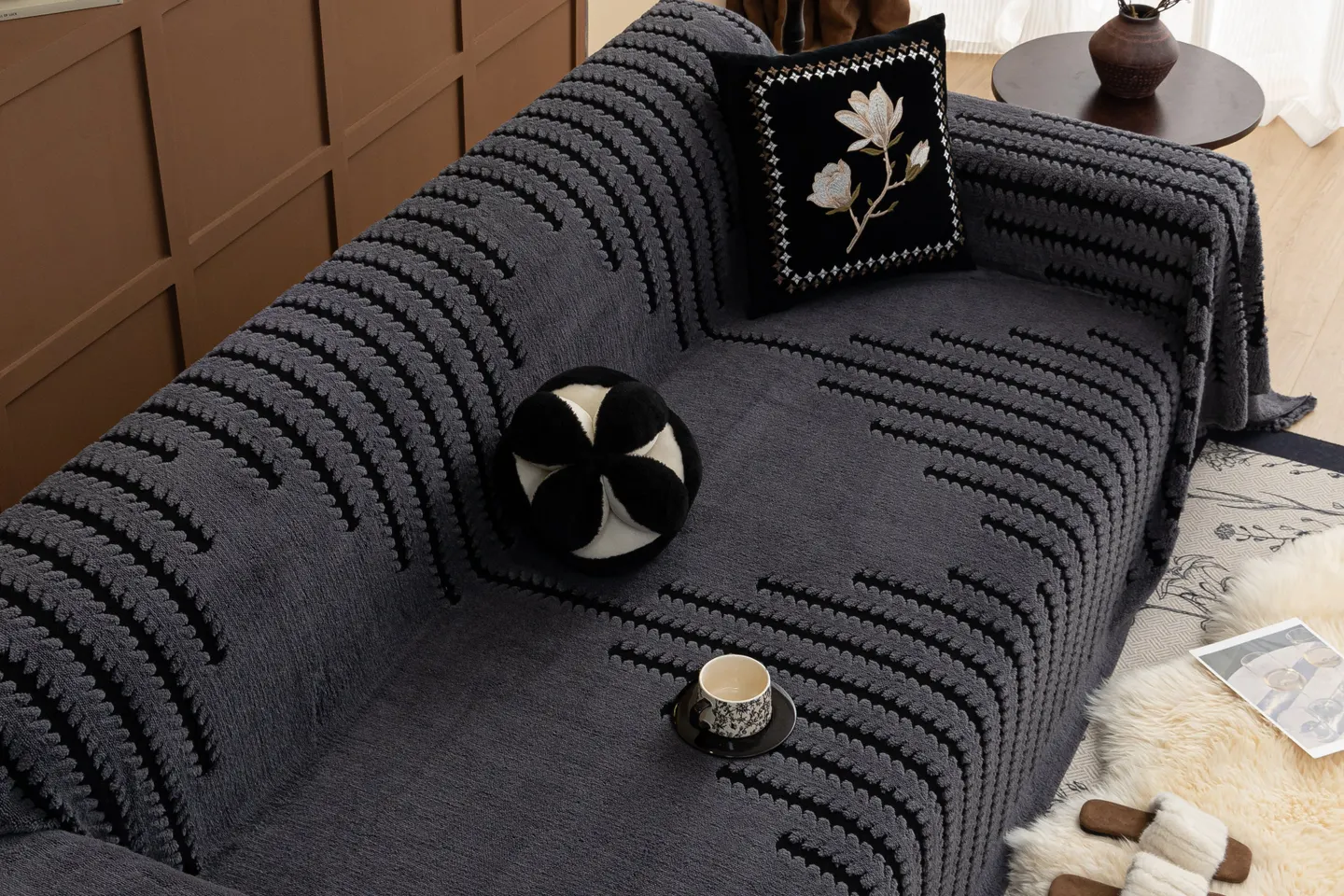
The selling point of a slipcovered sofa arrives on the day a cover has to come off. If a cushion zipper is inaccessible, the fabric goes into the washer in six separate loads, or the cover pulls tight enough to bend the piping after a wash, easy care becomes weekend work. When shopping, look for a cover arrangement you are willing to maintain. The texture, silhouette and color still matter. Construction and cleaning instructions tell you whether the sofa will look and feel the way you want after the first round of real use.
A slipcover is a removable textile shell. It may cover the frame and deck in one piece, while the seat and back cushions use individual covers. Some covers wrap separate arms or sections. Certain sofas have cushion covers that unzip for assembly while the frame remains fixed upholstery. A zipper alone is no evidence that fabric is intended for laundering. Ask for the instructions that apply to the exact fabric and cover system you are considering.
Ask to see the sofa with the cushions out
Start by lifting a seat cushion and looking at the edge underneath it. A useful cover is attached and adjusted in places you can reach. Some slipcovers use fasteners under the frame, while others rely on tucking the material between the deck and arms. A narrow tuck may look tidy on display and release as soon as people sit close to the arm. Sit down normally, stand up, and look at the fabric before arranging it again. Someone who dislikes tidying fabric every evening may prefer a cover with a firm anchoring system.
Notice where the cover overlaps. At the back, a split or fastener may be visible when the sofa stands away from a wall. On a sectional, the join between pieces may run under a shared cover panel or leave the sections independent. Ask whether you can remove one piece without uncoupling the entire sectional. The answer matters in a rental where the frame sits between a wall and a heavy coffee table. Check whether the floor needs protection during removal and whether someone needs to lift or tip the sofa.
If you can try removing a cushion cover, find the zipper and handle a corner gently. A zipper that wraps around more of a cushion often provides a larger opening. Some cushion shapes are handed or have front-to-back orientation. A good system offers clear cues so someone can get the cover on the right way without tugging repeatedly. Ask a salesperson to demonstrate the frame cover as well. The ten-minute demonstration tells you more about care than several swatches can.
Read the care instructions before choosing fabric
Get a copy of the manufacturer’s care document for the selected fabric and color. A removable cover might be machine washable, suitable for professional cleaning or limited to a specific spot treatment. The instructions can vary even between fabrics offered on the same sofa. Check whether warm water, a particular cycle, a mild detergent or line drying is required. Stick to the limits given by the maker. A method that was safe for one fabric can distort the backing or zipper tape of another.
Find out how the manufacturer expects the cover to be dried. A large arm cover can be heavy when damp. Consider where it will hang without stretching out of shape or dripping onto a wooden floor. Space is especially important in an apartment with one small drying rack. If covers are meant to go back on slightly damp, follow the maker’s instructions for drying around the cushion and frame. If covers must be completely dry, plan for how the household will use the sofa in the interval.
Measure your washer’s capacity against the care recommendations and the bulk of the largest piece. A sofa cover that fits inside the drum when pushed hard may still require a different loading arrangement or a commercial machine. Large pieces need room to move within any load limit stated by the maker. Look at everything else that regularly shares laundry time. A treatment a person can manage twice a year may be impractical on a sofa used by two young children and a dog every evening.
Treat the fit as part of how the room looks
A tailored cover usually holds a sweeping line at the arm and makes seams more visible. That can suit an upright sofa with precise proportions. A loose cover can let larger cushions settle and give the sofa a relaxed outline. Decide how much movement you enjoy seeing when the sofa has been sat on. Try a sample that has been in use on the showroom floor, if one is available. A freshly steamed photo hides what an uncovered cushion edge or twisted seam will look like after a month.
Consider a skirt separately from the rest of the cover. A floor-length skirt can tidy up the view beneath a frame and hide a set of feet that would compete with a rug. It can also get nudged by shoes, catch the nozzle of a vacuum or fold at the front when someone stands. A raised edge makes cleaning beneath the sofa easier if the frame allows enough clearance. Check the skirt on a flat section of flooring as well as on any intended rug. A seam that appears straight on a display platform can hang very differently over thick pile.
Fabric weight changes the outline. A crisp woven cotton can make corners read clearly. A soft, visibly textured blend may drape around an arm with deeper folds. If the cover has piping, look at it in profile around a curved corner. Piping can define the shape, but an uneven line will be easier to see. Ask whether the selected fabric looks the same on a frame cover and on a cushion pulled under tension. Directional weaves and patterns sometimes move from one panel to the next in visibly different ways.
Live with a generous swatch
Use a swatch large enough to see the fabric from the room entrance. Try it beside the floor, rug and any curtains, both in sunlight and under the lamps you use at night. Run a hand over the fabric and see whether it shows a change in shade when stroked in the other direction. This can help decide between a flat woven surface and textured pile, especially if one seat gets a lot more use than the others. Fabric can appear markedly darker where it curves around the arm compared with a flat sample.
Consider what you are trying to clean. A smooth surface might release hair more easily, while a mixed-color weave can disguise lint that is hard to see until evening light falls across it. If the manufacturer permits a swatch care test, ask how to do it and compare the dried sample to the unused one. Keep one piece aside as a reference for color. Do not assume that washing one small square predicts how a stitched cover with multiple seams will behave, but it can reveal whether you like the hand of the fabric after care.
Ask how replacement covers are sold and whether there is a distinct product code for a left arm, cushion or frame cover. Prices and availability can change. Keeping a model name, order number, fabric code and care sheet is more useful than relying on a brand page years later. If a second complete set is an important part of the buying decision, compare its cost with the price of the sofa before committing. There is little value in describing a cover as replaceable if it uses a discontinued shape or the replacement is outside your budget.
Choose where you want the work to happen
For a family room that is used every day, the strongest option might be a frame whose cushion covers can be handled separately. Test whether the fabric can be cleaned in small batches under the instructions. Someone drawn to a white cover can ask about whether partial cleaning may change its color relative to the surrounding pieces. A homeowner who plans to wash everything together should make space for several pieces to dry at once and consider how long the room will be without them.
In a living room where covers are changed occasionally for an event or season, precise fit can be worth extra setup time. A buyer should still rehearse the procedure. Keep the instructions nearby and take a picture of the seams and orientation before removing the covers. A bench or table clear of sharp items gives a place to work on cushions without kneeling on them. A second person can help smooth or guide a heavy cover where the maker's method calls for it.
Make the last comparison with the sofas in the same position and with their cushions unarranged after you have sat on them. The better choice will still look inviting, and you will know what has to happen the next time someone brings dinner to the couch. That knowledge belongs in the purchase decision alongside color, comfort and delivery.
When buying used, check every seam under the loose parts, especially around the cushion openings and where the fabric meets a fastener. Ask whether the pictured cover is the correct size for the model. A cover that was cut for a different frame can disguise its poor fit while the sofa is empty.