Decorating
What to Take From the Fall 2026 Return to Layered Rooms
Turn Houzz’s fall 2026 observations on warm, collected interiors into practical choices about lighting, old furniture and textured finishes.
Under a shop’s ceiling panels, a creamy rug and a wood table may look as if they were designed together. At home, one turns yellow before lunch while the other takes on a pink cast after dark. That experience goes a long way toward explaining why a room that feels warm rarely comes from buying a complete palette. How light moves through the home, where people sit and which worn objects they keep all have a hand in the result.
The September 2026 Houzz Fall Design Trends Report drew on interviews with nearly 50 home design professionals. Its observations included warm finishes, assembled-over-time interiors, expressive materials and plans to help homes evolve. Those interviews are a picture of what the participating professionals are seeing. Consider each theme an invitation to look more closely at a room you already use.
Find the temperature the room already has
Start with the parts of the room that will be expensive to change. If there is a honey-colored floor, you are already working with a large warm surface. Cool north-facing light might read blue on a clean white wall. An old limestone mantel may look distinct from both. Before deciding which trend photo to follow, identify the surfaces that have the biggest effect on how the light looks and what you really want to preserve.
Bring two or three colors into the room on substantial cards. Fix them vertically near the window, behind the sofa and in the darkest corner. Write the names and the suggested paint sheen on the backs. Look from across the room first and then bring one of the other permanent materials into view. Pale colors have more variation than you might expect once they occupy an entire wall. If one card works only in direct sun, you have learned something about where it belongs.
Do the same in the evening with existing lights. If all the samples take on a similar odd cast, evaluate the bulbs or a harsh reflection before buying more samples. Try a warmer or more neutral bulb suitable for the fixture and compare with the light you use to read. A shade can change the light reaching nearby surfaces. Test its effect with a wall color in place so the two decisions can inform one another.
Start the collection with a piece you know well
Collected interiors are easiest to build around an object that already has a part in household life. A deep, low sideboard from a relative may hold family albums and work as a place to set keys. A canvas chair brought back from a holiday may matter because it is comfortable. Look at what the piece contributes in height, width, color and function. Decide where the next object should complement it before looking for a particular era or maker.
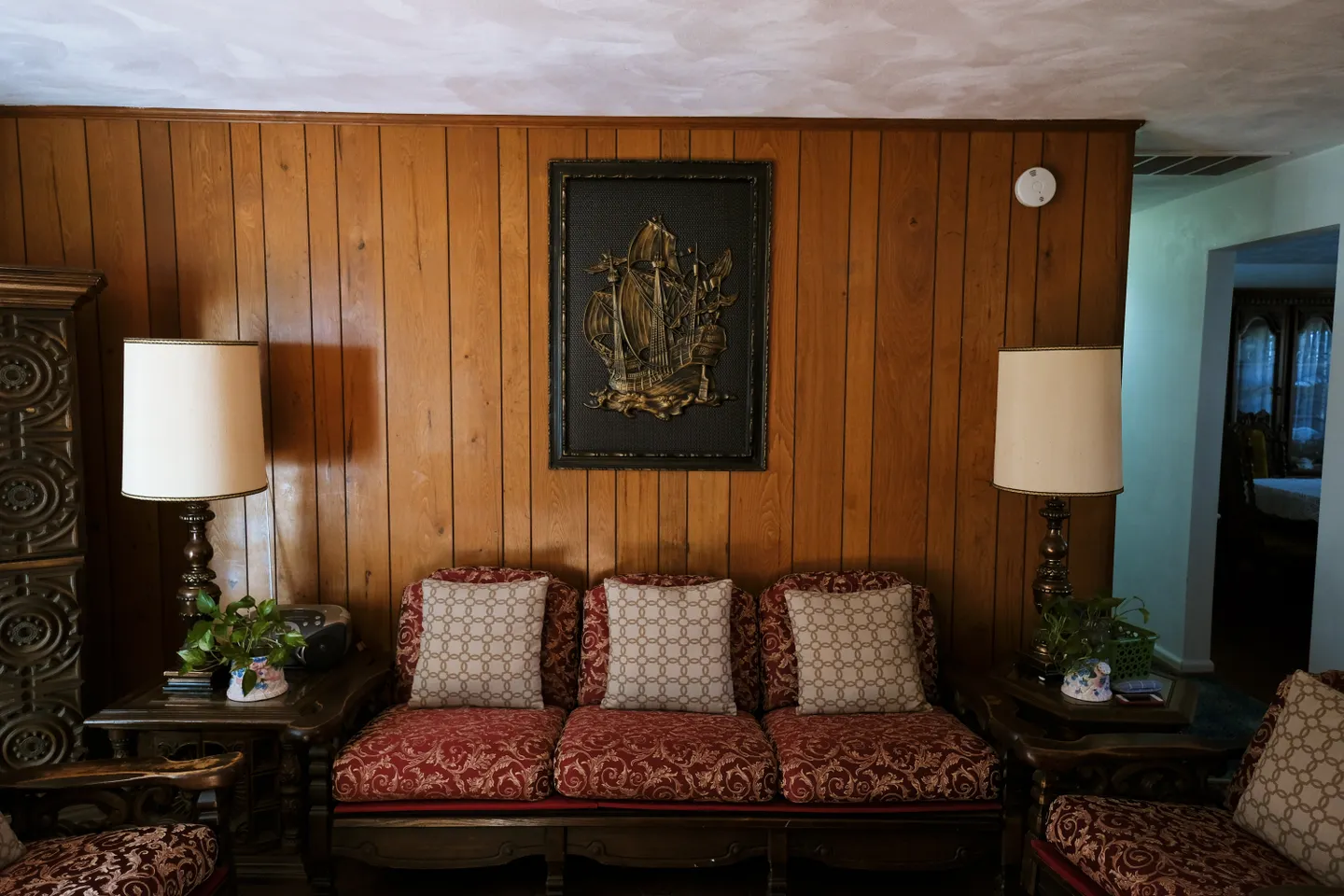
Consider a simple example. An old table with heavy carving sits near one wall of a dining room. It needs a lamp, but its edge already supplies plenty of detail. A simpler linen shade can make the carving easier to see and let light reach the wall. A thrifted brass picture frame nearby may repeat the color without bringing in another ornate silhouette. Two restrained pieces have created something more specific than a general rule to mix a vintage item with a new one.
Sometimes the best answer is to stop adding. Leave a shelf mostly empty for a month to see which of its objects you actually miss. If a book, lamp and framed photograph accommodate how the room works, there is room for all three to be seen. Store or lend the pieces you would enjoy more in another setting. A well traveled room often has calmer places between its more detailed arrangements.
Decide where variation is welcome
Handmade or high-variation surfaces caught the attention of professionals in the Houzz interviews. Materials with detail can bring life to a small room, but the amount and direction of that variation affect how it feels to sit in it. Decide where you want to see markings from afar. A feature tile may cover a small fireplace surround. A sturdy, calmer tile might work better over a long narrow hall with several strong door frames and patterned coats.
Ask the supplier for samples that represent the spread of tone within a batch. Arrange several clay or glazed tiles with spacers instead of assessing one perfect square. Try the suggested grout tone against both lighter and darker tiles. Shine a lamp across the surface from the side. That simple setup reveals how roughness and joints cast shadows, something a photograph with even light often hides.
Look closely at the commitments attached to an expressive finish. An unglazed surface, oiled wood and patinated metal may all call for different care. Ask which marks should fade, which may stay and which treatment the supplier approves. A household that wipes a counter after making breakfast is likely to notice a ring more than occasional marks on an end table. Put the material in the place where its changes will remain welcome.
Use textiles for the changes you may want to reverse
A rug brings color to a layered room and controls how furniture relates on the floor. If the rug is intended to join chairs with a sofa, check where their feet will land with the chairs turned slightly in conversation. If the rug belongs at the foot of the bed, see what you will step onto and whether a drawer opens over it. Then compare color from a standing position near the entrance, since the pile can reflect light differently in different directions.
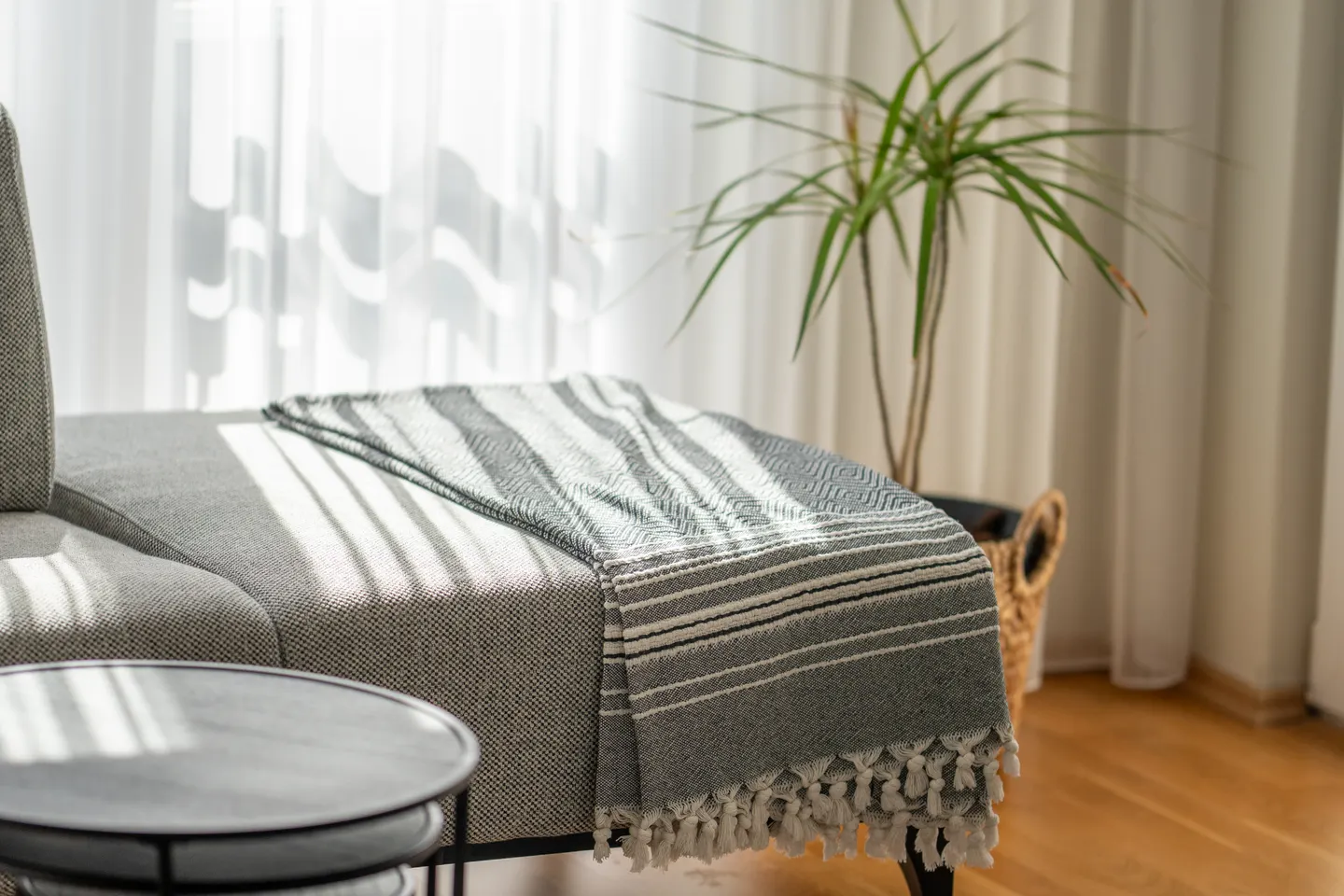
A pair of new cushion covers or a repaired blanket is a reasonable way to try an unfamiliar color. Place the fabric in the spot where you plan to use it for several normal days. Consider who sits there, whether a dog jumps up and which textiles get washed most often. A richly colored mohair throw may suit an occasional chair. A washable woven throw could be a better fit for a sofa that doubles as a toddler’s afternoon landing place.
Window coverings take up enough space to change the color balance of a room, even when they are pushed aside. Stack a sample in soft folds and look near the trim. For a choice between stronger color and warmer light, compare a partly translucent curtain with a heavier one at the same time of day. Keep privacy, existing hardware and any window safety requirements in the decision from the beginning.
Make a place for a future arrangement
The report also notes that professionals are planning for households whose needs may change. Apply that thinking alongside the decorating changes. A living room that comfortably hosts a visitor with a walking aid has places to turn and a clear path to the main seats. A bedroom that might become a long-term guest room benefits from lighting reachable at the bed and enough usable storage for an actual stay. Look at likely movements before adding a cluster of tables and low baskets.
Leave some of the room as a flexible zone. For instance, a side chair can face the window most days and turn toward the sofa when friends come over. A lightweight table can move with it. If you have been considering built-in furniture, test the same arrangement with a borrowed cabinet or temporary shelf. Notice where cables will go and whether the new furniture makes either the route or the view worse.
Try it in a rented living room
Suppose a lease limits paint changes and the pale laminate floor has to stay. An old pine bench under the window could supply a warmer area that people see from the doorway. A framed landscape placed on a neighboring cabinet takes a similar tone up to eye level. Leave the skirting and one corner of the floor clear so the apartment still feels spacious. If the bench becomes a dumping spot for coats, put a dimensioned tray or bag hook by the doorway and try it again before committing to another purchase.
Place a washable runner down for a week and see if the warm color remains useful when the bench is removed. It can be easier to pack away one textile for a later apartment than to keep a large object that never finds a second purpose. Record the useful measurements from this trial before looking at larger pieces.
Pick the room’s next small move
A useful weekend trial can be assembled with objects already at home. Remove one thing from a crowded corner. Move a lamp to a lower surface to see what happens to evening light. Offer one shelf to a small group of related objects. Then bring in two material samples and decide which one has a clear place in the new arrangement. A short experiment makes it easier to spend money on the object that solves a problem you recognize.
For a larger project, put a drawing of the existing room alongside the ideas you saved. Beside each idea, write whether the aim is softer light, useful storage, a material you enjoy touching or something else you can observe. Use that reason to compare prices and the work required. Once you have chosen the room’s next change, set the rest of the pictures aside for a while. You will have time to decide where the subsequent layers belong after the first one has settled in.